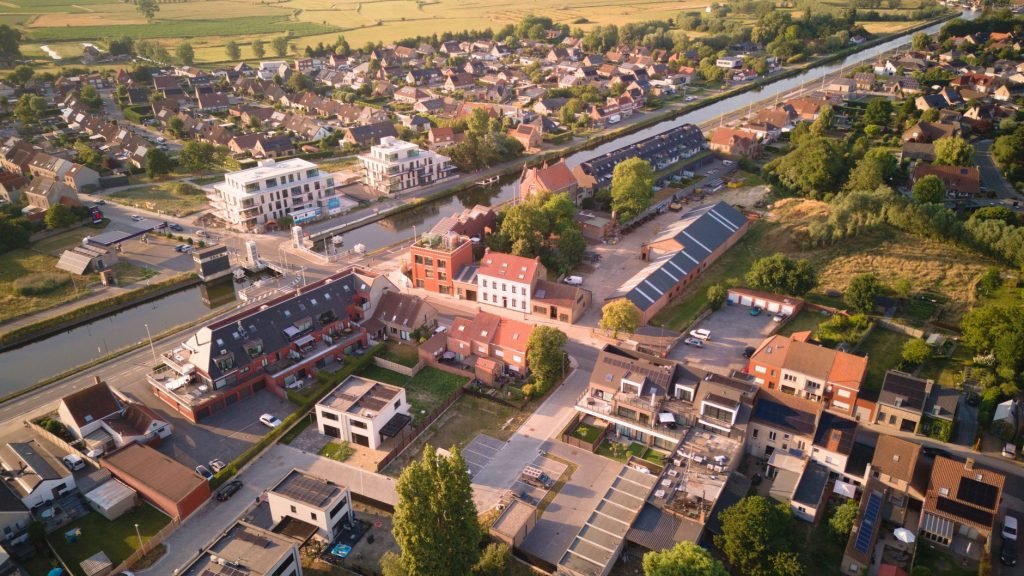
Belgium property market is experiencing a unique trend where prices are rising even as fewer homes are sold this year. This situation raises questions for potential buyers and investors alike.
Current Trends in the Belgium Property Market
The Belgium property market is currently experiencing significant shifts as economic factors influence buyer behavior and pricing trends. Recent reports indicate that while property prices have continued to rise, the volume of homes sold has decreased compared to previous years.
Several key trends are emerging:
- Increased Prices: Despite a slowdown in transactions, the average price of homes in Belgium has shown resilience, with many regions witnessing price hikes.
- Declining Sales: Fewer homes are changing hands this year, suggesting that potential buyers may be hesitating, possibly due to rising interest rates and economic uncertainty.
- Shift in Buyer Preferences: Many buyers are now prioritizing sustainability and energy-efficient homes, which has led to a segment of the market that is still performing well.
- Investor Caution: Investors are becoming more cautious, weighing risks carefully before entering the Belgium property market.
As these trends develop, prospective buyers must navigate the complexities of the current landscape.
Factors Influencing Home Prices
The Belgium property market is currently experiencing a range of factors that are influencing home prices across the country. As the market cools, several key elements are shaping buyer behavior and pricing strategies.
- Interest Rates: Recent increases in interest rates have made mortgages more expensive, which discourages potential buyers from entering the market.
- Supply and Demand: A limited supply of homes for sale, coupled with a decline in sales, has created a unique dynamic where prices may still rise despite fewer transactions.
- Economic Factors: Inflation and economic uncertainty have caused many buyers to hesitate, leading to a more cautious approach in purchasing property.
- Government Policies: New regulations aimed at cooling the housing market may affect investor confidence, further influencing price trends.
These factors collectively contribute to the complexities of the Belgium property market, making it crucial for potential buyers to carefully assess their options before making a decision.
Impact of Fewer Sales on Market Dynamics
The Belgium property market is currently experiencing a significant shift due to a decrease in sales volume. As fewer homes change hands, several dynamics are coming into play that could affect potential buyers and sellers alike.
With a notable decline in transactions, sellers may become hesitant to lower their asking prices, believing that their properties are worth more despite the market cooling. This situation leads to:
- Increased Competition: With fewer homes available, those on the market may see increased interest, keeping prices elevated.
- Stagnant Listings: Properties may remain listed for longer periods, causing a backlog that complicates market fluidity.
- Buyer Caution: Potential buyers may be more hesitant to commit, fearing that they might overpay in a declining market.
Overall, the impact of fewer sales is reshaping the Belgium property market, presenting challenges and uncertainties for both buyers and sellers navigating this evolving landscape.
Is Now the Right Time to Invest?
As the Belgium property market experiences a notable shift, potential investors may wonder if now is the right time to buy. With a decrease in the number of homes sold, many are concerned about future price stability.
Current market dynamics suggest a mixed outlook:
- Price Trends: Despite fewer transactions, home prices have shown resilience, with some areas witnessing price increases. This could indicate a strong demand for housing, even amidst economic uncertainty.
- Investment Opportunities: For those willing to navigate the market’s complexities, there may be advantageous opportunities. A cooling market can lead to less competition and better negotiation power for buyers.
- Long-Term Perspective: Real estate is typically a long-term investment. Buyers should consider their financial situation and the potential for property value appreciation over time.
Ultimately, while the Belgium property market may seem daunting, informed decisions based on current trends and personal circumstances can lead to successful investments.
Comparing Belgium’s Market to Neighbors
The Belgium property market is currently facing unique challenges when compared to its neighboring countries. While many European nations are experiencing fluctuations in property prices, Belgium has shown a distinct pattern influenced by its specific economic conditions.
In neighboring France and Germany, property prices have either stabilized or demonstrated gradual increases, driven by robust demand and a lack of inventory. Conversely, Belgium’s market is marked by a decline in sales volume, which has led to a more cautious approach among potential buyers.
Factors contributing to this divergence include:
- Economic Stability: Belgium’s economy is relatively stable, but growth is slower compared to its neighbors.
- Interest Rates: Increasing interest rates have made borrowing more expensive, affecting buyer confidence.
- Regional Variances: There are significant differences in property demand across Belgium’s regions, with major cities facing different pressures than rural areas.
As the Belgium property market continues to evolve, potential investors must weigh these regional dynamics against broader European trends.
Expert Opinions on Future Trends
Experts weigh in on the future of the Belgium property market, providing insights that could influence potential buyers. Some analysts believe that the current cooling trend may continue, suggesting that a cautious approach is prudent. Jean-Claude Dupont, a real estate analyst, notes that “as prices rise amid fewer transactions, buyers should carefully consider their timing and budget.” He emphasizes that while interest rates are stabilizing, the overall economic outlook remains uncertain.
On the other hand, Marie Lefevre, a property investment advisor, argues that this period may present unique opportunities. “Investors willing to navigate these waters could find undervalued properties,” she states. She suggests that the Belgium property market may see a rebound in the coming months as economic conditions improve.
Moreover, industry experts highlight the importance of location and property type in making investment decisions. Understanding neighborhood dynamics and future development plans can significantly impact potential returns. Buyers are advised to conduct thorough research before making commitments.
Tips for Home Buyers in Belgium
As prospective buyers navigate the Belgium property market, it is essential to stay informed and strategically plan their purchases. Here are some tips for home buyers in Belgium:
- Research Local Markets: Each region in Belgium has unique characteristics. Understanding local trends can help buyers make informed decisions.
- Set a Realistic Budget: With rising prices, it’s crucial to assess financial capabilities and avoid overspending.
- Consider Long-Term Goals: Evaluate how a property fits into long-term plans. Investing in a home should align with future aspirations.
- Be Open to Negotiation: In a cooling market, sellers may be more willing to negotiate. Don’t hesitate to make an offer below asking price.
- Engage a Local Agent: Working with a knowledgeable real estate agent can provide insights and access to properties that may not be widely advertised.
By following these tips, buyers can navigate the complexities of the Belgium property market more effectively and make confident investment choices.
Understanding Market Fluctuations
The Belgium property market has been experiencing significant fluctuations, influenced by a variety of economic factors and changing buyer sentiments. As the market cools down, it is essential to understand the dynamics that contribute to these shifts. Several elements are at play, including:
- Interest Rates: Rising interest rates have made mortgages more expensive, discouraging potential buyers.
- Supply and Demand: A decrease in available properties has led to increased competition, even as fewer homes are being sold.
- Economic Conditions: Broader economic uncertainty can affect consumer confidence, further impacting the Belgium property market.
- Investment Trends: Investors are becoming more cautious, leading to a slowdown in transactions.
These fluctuations highlight the importance of thorough research and analysis for anyone considering entering the market. While some may argue it is the worst time to buy, others see potential for long-term gains as conditions continue to evolve. Understanding these market fluctuations can help buyers make informed decisions.
Photo by Mats Van Lishout on Pexels