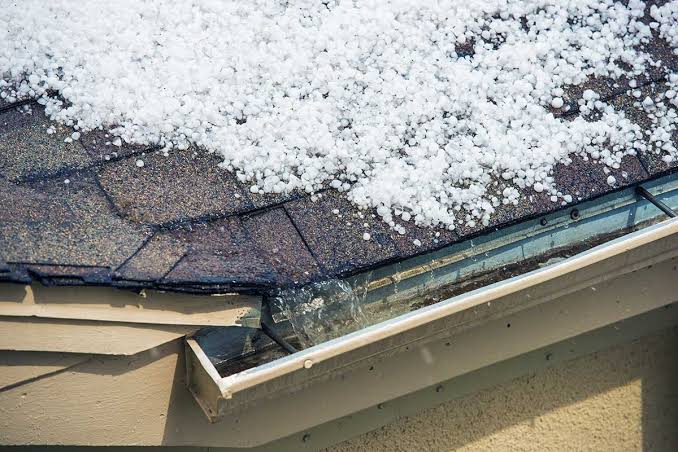
Most people expect roofing problems to make themselves known during winter. Heavy rain, high winds and freezing temperatures usually get the blame when a leak appears or a few tiles end up in the garden.
In practice, summer often tells a very different story.
Across Surrey and much of the South East, prolonged periods of warm, dry weather are exposing weaknesses that have been quietly developing for months, and sometimes years. Bright sunshine highlights cracked tiles that would otherwise go unnoticed. High temperatures cause roofing materials to expand and contract, placing stress on joints, flashings and membranes. Loft spaces become hotter, making ventilation issues far easier to spot.
Finding these problems now is far preferable to discovering them during the first autumn storm, when a straightforward repair can quickly become an emergency.
Hot weather is harder on a roof than many people realise
Rain is only one part of the story when it comes to roof deterioration.
Every roof experiences constant movement as temperatures rise during the day and fall overnight. It may only be a matter of millimetres, but those tiny movements are repeated thousands of times over the life of a property.
Eventually, materials begin to show their age.
Lead flashings can loosen, mortar may crack, older felt coverings become brittle and some flat roofing systems begin to reveal weaknesses that have remained hidden during cooler weather.
None of this necessarily means a roof is failing. It simply means that summer often exposes issues before they develop into leaks.
Better visibility means better maintenance
One advantage of summer is that homeowners can actually see their roof properly.
Bright daylight makes it much easier to identify problems such as:
- Cracked or slipped tiles
- Damaged ridge tiles
- Loose lead flashing
- Deteriorating chimney pointing
- Blocked roof valleys
- Overflowing or misaligned gutters
These issues rarely appear overnight. More often than not, they have been developing gradually and simply escaped attention.
A quick visual inspection from ground level can often highlight something worth investigating before poor weather arrives.
Summer is usually the best time to repair a roof
Roofing work is always dependent on the weather, but settled conditions generally allow repairs to be completed more efficiently.
Dry surfaces make inspections more accurate.
Materials can be installed under better conditions.
Contractors are less likely to experience delays caused by rain.
Most importantly, the source of a problem is often easier to identify before water begins travelling through the roof structure.
That is one reason many experienced roofers recommend arranging inspections during summer rather than waiting until a leak appears.
Flat roofs deserve more credit than they receive
Flat roofs have developed an unfair reputation over the years.
Modern systems are capable of providing decades of reliable service when they are correctly designed, professionally installed and properly maintained.
The problems usually arise when routine maintenance is ignored.
Blocked outlets prevent rainwater draining away.
Debris builds up around roof edges.
Minor damage remains unnoticed because there are no obvious signs inside the building.
By the time heavy autumn rain arrives, those small defects can suddenly become much more significant.
Understanding the options available for modern roofing services can help property owners make informed decisions about repairs before larger problems develop.
Ventilation often becomes a summer issue first
Roof spaces are designed to breathe.
When ventilation is inadequate, warm air becomes trapped inside the loft, creating conditions that can affect insulation, timber and the overall health of the roof structure.
Many homeowners associate ventilation problems with winter condensation, but excessive summer heat is often the first warning sign.
If a loft becomes unbearably hot during a normal summer’s day, it may be worth investigating whether air is circulating as effectively as it should.
Improving ventilation is rarely about comfort alone. It also helps protect the roof itself over the long term.
Surrey’s trees are both an asset and a challenge
One of the defining features of Surrey is its mature tree-lined streets and established gardens.
They add character to neighbourhoods, but they also create additional maintenance demands.
Branches can gradually extend over roofs, encouraging moss growth and allowing leaves, seeds and other organic material to collect in valleys and gutters.
During dry weather this often goes unnoticed.
Once autumn arrives and rainfall increases, blocked drainage routes can quickly lead to overflowing gutters and water backing up beneath roof coverings.
Simple seasonal maintenance can prevent many of these issues before they become expensive repairs.
Commercial buildings face different pressures
Commercial roofing presents a different set of challenges altogether.
Large roof areas experience greater thermal movement during hot weather.
Air conditioning equipment generates additional heat.
Maintenance programmes are often planned around operational requirements rather than the condition of the roof itself.
As a result, relatively minor defects can remain undiscovered until they begin affecting business operations.
Water ingress rarely damages just the roof. It can interrupt trading, affect staff, damage equipment and disrupt customers.
Businesses responsible for offices, warehouses and industrial premises often benefit from planned commercial roofing maintenance that identifies potential issues long before emergency repairs become necessary.
Older roofs are not always the problem
Age is often blamed for roofing defects, but it is only one part of the picture.
Some roofs continue performing exceptionally well after several decades because they have been maintained properly throughout their life.
Others begin developing issues much sooner because routine inspections have been overlooked or previous repairs were carried out poorly.
Experienced roofers tend to assess the condition of a roof rather than making assumptions based solely on its age.
That approach often saves property owners from unnecessary replacement work.
Small repairs usually stay small
One of the most expensive mistakes homeowners make is assuming that a minor defect can wait until next year.
A cracked tile may be inexpensive to replace.
Loose flashing can often be repaired before it allows water into the building.
Clearing blocked drainage can prevent standing water from damaging an otherwise healthy roof.
The repair itself is rarely the issue.
The cost usually comes from allowing a simple problem to remain unnoticed until moisture has affected insulation, timbers or internal finishes.
Preparing for the seasons ahead
Summer provides an opportunity that winter never can.
It offers time to inspect a roof under good conditions, identify small defects and arrange repairs before bad weather places the building under greater pressure.
For homeowners across Surrey and the surrounding counties, a little preventative maintenance during August can help avoid emergency call-outs later in the year.
Whether the property is a family home, a commercial premises or part of an investment portfolio, taking a proactive approach almost always proves more cost-effective than reacting to a leak once it has already caused damage.
If you’re considering an inspection before autumn arrives, finding out more about residential roofing services is a sensible first step. Addressing minor issues while conditions are favourable can help protect your property through the wetter months ahead.